The Truth About Wood Cutting Boards
Why Wood Is Still the Best Choice for Your Kitchen
For years there has been a debate in kitchens everywhere: Are wood cutting boards safe?
Some people claim plastic cutting boards are more sanitary because bacteria can get into wood grain. But research and experience from professional kitchens tell a very different story.
In fact, wood cutting boards have natural properties that can make them safer than plastic when properly cared for.
Let’s take a closer look at why.
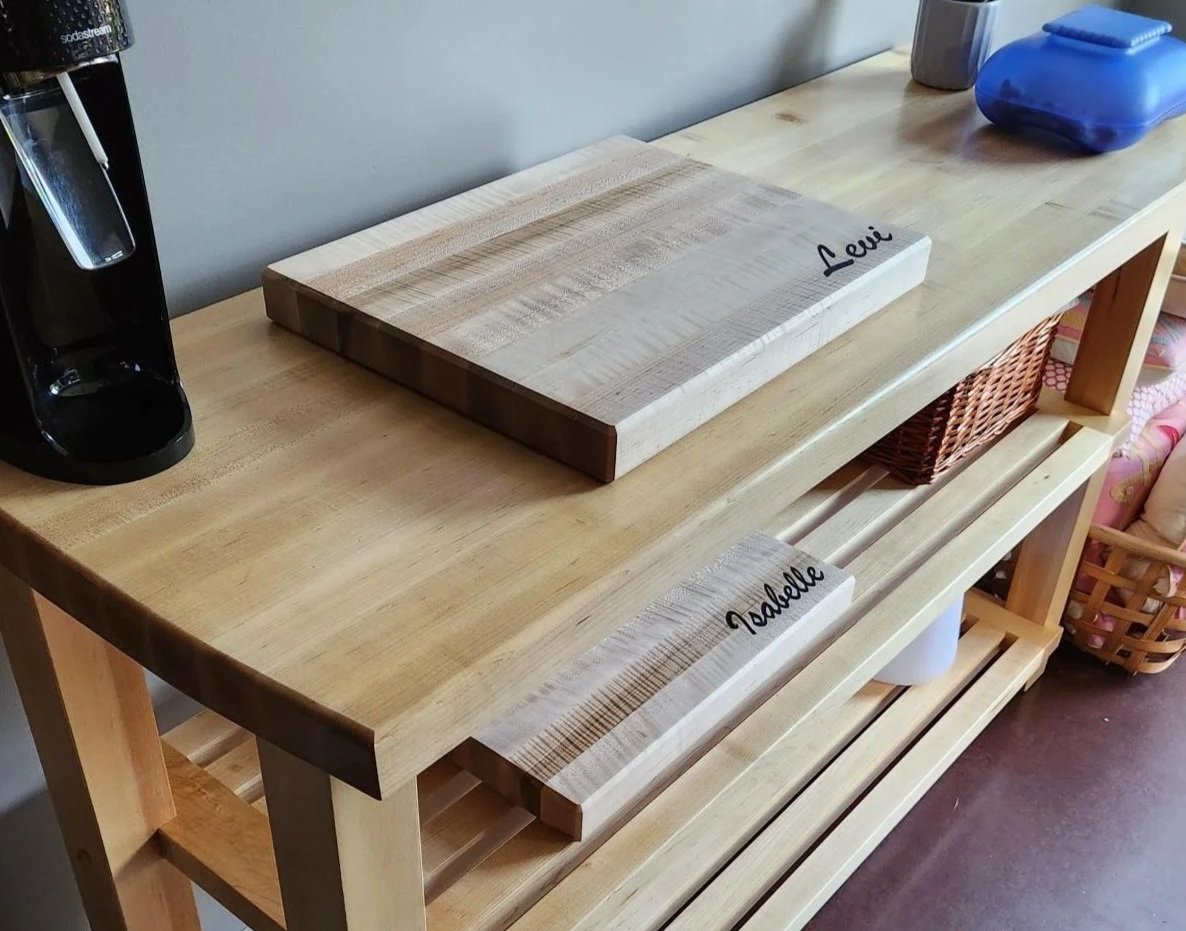
Wood Is Naturally Antibacterial
One of the most common myths about wood cutting boards is that bacteria hide inside the grain and continue to grow.
Scientific research has shown that this isn’t the case.
Studies from food safety researchers found that when bacteria are placed on wood cutting boards, the wood’s natural structure pulls moisture and microbes down into the grain. Once trapped inside the wood, the bacteria lose moisture and die off naturally.
Plastic boards behave differently. Knife cuts create grooves that trap moisture and food particles, allowing bacteria to remain on the surface longer and potentially multiply.
In other words:
Wood absorbs and neutralizes bacteria, while plastic often holds onto it.
Plastic Boards Wear Out Faster
Every time a knife touches a cutting board, it leaves small marks. Over time these marks become deep grooves.
On plastic cutting boards, these grooves can become difficult to clean and can trap food residue.
Plastic boards also slowly shed microplastic particles as they are cut repeatedly. These tiny particles can end up in food without people realizing it.
Wood boards, on the other hand, tend to self-heal slightly as fibers close after cutting. With proper maintenance, a wood board can last years or even decades.
Wood Is Better for Your Knives
Another advantage of wood is that it’s gentler on knife edges.
Plastic boards and glass boards tend to dull knives much faster because they are harder and less forgiving. Wood has a natural softness that allows the blade to cut cleanly without excessive wear.
For anyone who values sharp knives, this makes a big difference over time.
A Well-Used Wood Board Develops Character
Just like cast iron cookware, wood cutting boards improve with proper care and regular use.
Over time, conditioning oils and natural use help the board develop a durable surface that protects the wood and keeps it performing well in the kitchen.
This doesn’t mean food flavors permanently soak into the board. Instead, the board becomes well-conditioned, stable, and resilient.
It’s part of the reason wood boards have been trusted in kitchens for generations.
Proper Care Makes the Difference
Like any kitchen tool, a wood cutting board should be cared for properly.
Simple habits keep it clean and safe:
Wash with warm water and mild soap
Dry the board upright after washing
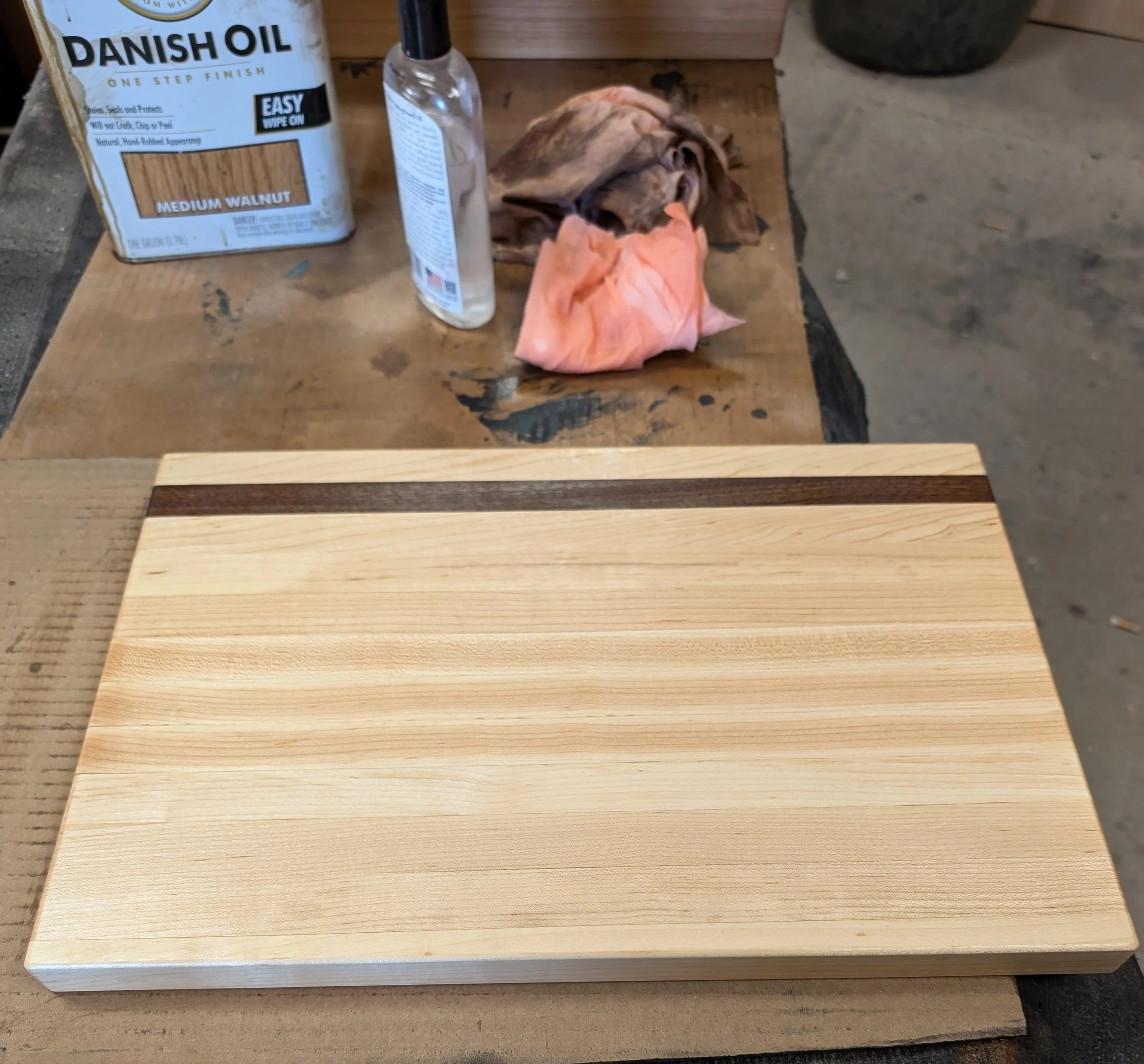
Apply food-safe oil regularly to keep the wood conditioned
Avoid soaking the board in water
With these simple steps, a quality wood cutting board can serve your kitchen for many years.
Recommended Cutting Board Oil: Amazon.com: Howard Products Food Grade Mineral Oil for Wood Cutting Board - 12 oz, Pack of 1 : Health & Household
Sometimes the Old Ways Are Still the Best
Wood cutting boards have been used by chefs, butchers, and home cooks for centuries. They combine durability, natural antibacterial properties, and knife-friendly surfaces in a way few modern materials can match.
Plastic boards may seem convenient, but they wear out quickly and can trap bacteria in knife grooves over time.
A well-made wood cutting board, properly maintained, becomes something better.
It becomes a tool that improves with age.